Rack of Lamb: Searing Secrets vs. Easy No-Sear Oven Roasting
The mention of
rack of lamb often conjures images of sophisticated dining, reserved for Michelin-starred restaurants or the most experienced home chefs. But here’s the delicious secret: preparing a show-stopping rack of lamb is far easier than its elegant presentation suggests. Whether you're planning an elaborate Easter lunch, a romantic date night, or a memorable spring dinner party, this impressive main course can be achieved with surprisingly minimal fuss. The key lies in understanding the cooking methods, particularly the debate between traditional searing and the increasingly popular no-sear oven roast.
The Allure of Rack of Lamb: Elegance Made Easy
A perfectly cooked
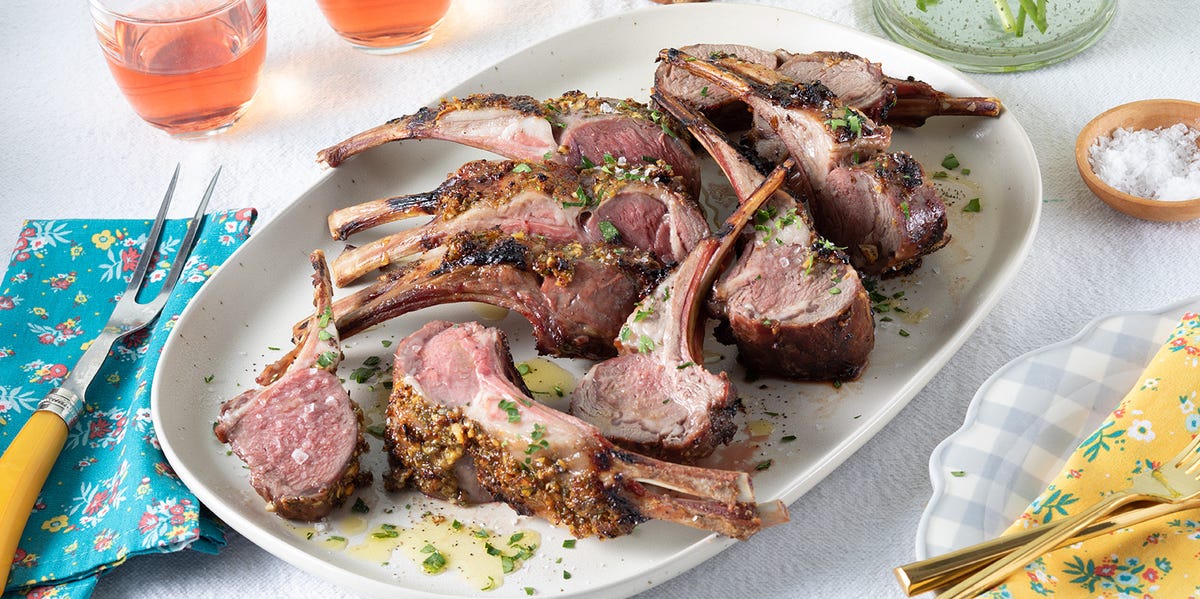
rack of lamb is a feast for both the eyes and the palate. Its clean, French-trimmed bones and beautifully crusted meat make it a culinary centerpiece that effortlessly elevates any occasion. What many don't realize is that this luxurious cut of meat is remarkably forgiving and doesn't demand hours of attention. In fact, it's often hailed as the ideal dish for entertaining, allowing the host ample time to focus on side dishes and guests, rather than being tethered to the stove.
Essentially, a
rack of lamb is comprised of individual lamb chops still connected. This allows for a versatile cooking approach: it can be roasted whole as a magnificent rack, or divided into individual chops for grilling or pan-frying. Typically, a single rack of lamb, weighing approximately 1.5 pounds, serves three to four people. For larger gatherings, doubling up to two racks will comfortably feed six to eight guests, ensuring everyone gets a generous portion of this tender, flavorful meat. Its inherent simplicity, combined with its elegant appeal, solidifies the rack of lamb's reputation as a surprisingly accessible gourmet experience.
The No-Sear Revolution: Achieving Perfection with Minimal Effort
For those seeking maximum impact with minimal fuss, the no-sear oven roasting method for
rack of lamb is a game-changer. This approach champions convenience without sacrificing flavor or that coveted crispy crust. Imagine skipping the stovetop entirely, avoiding the splattering oil and extra dirty pans, and still delivering a succulent, perfectly cooked rack of lamb. It sounds too good to be true, but it's a highly effective technique.
The secret lies in the high-temperature oven roast. By placing a seasoned rack of lamb directly into a preheated oven at a blazing 450°F, you kickstart an intense cooking process that mirrors some of the benefits of searing. The high heat rapidly develops a delicious, flavorful crust from your herb and garlic rub, while simultaneously cooking the lamb to a perfect medium doneness in just about 30 minutes. The direct, intense heat efficiently renders the fat along the bones, infusing the meat with rich flavor and contributing to that desirable exterior texture. This method is incredibly hands-off, freeing you up to prepare accompanying dishes or simply enjoy your company. For a deeper dive into this effortless cooking method, check out our guide on
Easy Oven-Roasted Rack of Lamb: Impress Guests with Minimal Effort.
The benefits are clear:
*
Time-Saving: No pre-searing step means less active cooking time.
*
Less Mess: No splattering oil on your stovetop or an extra pan to wash.
*
Hands-Off: Once in the oven, it cooks with minimal intervention.
*
Flavorful Crust: High heat beautifully caramelizes the herb and garlic rub.
This approach proves that an extraordinary meal doesn't always require intricate steps. Sometimes, the simplest path leads to the most delicious destination.
The Searing Debate: When and Why to Embrace the Pan
While the no-sear method offers undeniable convenience, the traditional art of searing a
rack of lamb before roasting remains a revered technique among many chefs and home cooks. Proponents argue that searing locks in flavor and creates a depth of crust and caramelization that an oven alone simply cannot achieve. It’s about building layers of flavor and texture, particularly beneficial for those who appreciate a richer, more intensely browned exterior.
Celebrated chefs like Gordon Ramsay advocate for searing, emphasizing its role in developing a profound crust and rendering the fat effectively. The goal is a "gentle sear" over high heat, crucial to avoid a hard, aggressive crust that can cause the meat to tear when sliced. Ramsay specifically recommends using a cast-iron pan due to its superior heat retention and even distribution, which can even continue to finish the lamb during its crucial resting period. He also highlights the importance of a French trim, not just for presentation, but because those clean bones act as convenient "handles" for turning the rack in the pan.
Searing involves placing the seasoned
rack of lamb fat-side down in a very hot pan for a few minutes until a deep, golden-brown crust forms. This process caramelizes the exterior, intensifying the savory notes and creating a textural contrast with the tender interior. After searing all sides, the rack is then transferred to the oven to finish cooking.
When might you choose to sear?
*
Deep Maillard Reaction: For a more intense, complex flavor profile from the browned surface.
*
Texture Contrast: To achieve a crispier, more pronounced crust that crackles with each bite.
*
Traditionalists: If you appreciate classic cooking techniques and the depth of flavor they provide.
*
Rendering Fat: Particularly effective for rendering down a thicker fat cap, though the no-sear method also accomplishes this.
Ultimately, the choice between searing and no-sear often comes down to personal preference and the desired outcome. Both methods, executed correctly, can yield a truly remarkable dish.
Mastering the Finish: Temperature, Resting, and Presentation
Regardless of whether you choose to sear or go with the no-sear method, success with
rack of lamb hinges on a few critical final steps: achieving the right internal temperature, adequate resting periods, and thoughtful presentation. These elements are non-negotiable for a tender, juicy, and visually appealing result.
First and foremost, temperature is key. The USDA recommends cooking lamb to an internal temperature of 145°F. For
rack of lamb, this usually translates to a perfect medium doneness – pink, tender, and incredibly flavorful. Always use a reliable meat thermometer inserted into the thickest part of the meat, avoiding the bone, to ensure accuracy.
Equally important are the two distinct resting periods:
1.
Pre-Roasting Room Temperature Rest: Before it even touches the heat, allow your seasoned
rack of lamb to sit at room temperature for about an hour. This crucial step promotes more even cooking, ensuring the heat penetrates uniformly to the center of the rack, preventing a raw core and an overcooked exterior.
2.
Post-Cooking Rest: Once your lamb reaches the desired internal temperature, resist the urge to slice into it immediately. Transfer the rack to a cutting board and let it rest for a minimum of 10 minutes, though many chefs suggest up to 15 minutes. This allows the internal temperature to stabilize (it will continue to cook slightly, known as carryover cooking) and, more importantly, gives the juices time to reabsorb into the muscle fibers. Skipping this step means all those precious juices will run out onto your serving platter instead of remaining locked within the meat, resulting in a drier, less flavorful lamb. For more detailed insights into achieving that perfect internal temperature and the art of resting, explore
Perfect Rack of Lamb: Temperature, Resting & Flavorful Crust Tips.
Finally, consider what to serve alongside your magnificent
rack of lamb. For a truly spring feast, classic pairings include potato dishes like creamy potatoes au gratin or bright Greek lemon potatoes. Complement these with vibrant spring vegetables such as sautéed asparagus, candied carrots, or tender green beans to complete an unforgettable meal.
Conclusion
The debate between searing and no-sear oven roasting for
rack of lamb highlights the versatility of this exquisite cut. Whether you prioritize a hands-off, minimal-mess approach or a deeply caramelized crust achieved through traditional searing, both methods can deliver an utterly delicious and impressive result. The true magic lies not in one single technique, but in understanding the principles of proper seasoning, accurate temperature control, and the vital importance of resting the meat. No matter your culinary confidence level, preparing a beautiful rack of lamb is an achievable luxury that promises to delight your guests and elevate any dining occasion. So, gather your ingredients, choose your preferred method, and get ready to create a memorable feast that proves elegance can indeed be made easy.